Skip to content
Free Shipping on US Orders $99 and Above!
Free Shipping on US Orders $99+!

Country

Pearl Beads

Pearl Beads

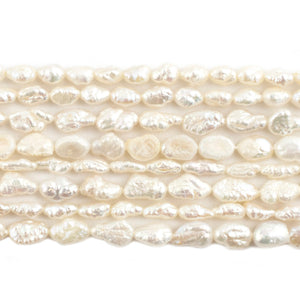
Pearl beads are real or cultured pearls — lustrous organic gems formed inside mollusks — ranging from classic round freshwater pearls to baroque shapes and mother-of-pearl.

MaterialPearl (organic nacre)
OriginChina, Japan, South Pacific
TechniqueCultured & drilled
Typical size3–10 mm
EraOrganic gem
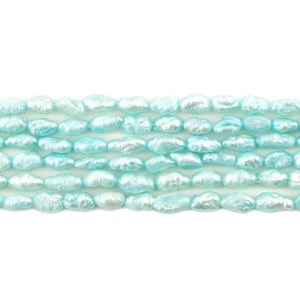
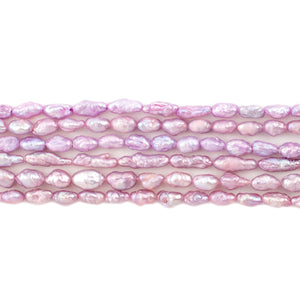
ColorsWhite, cream, pink, peacock
Shop all Pearl Beads

What are Pearl Beads?

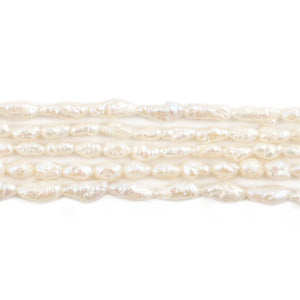
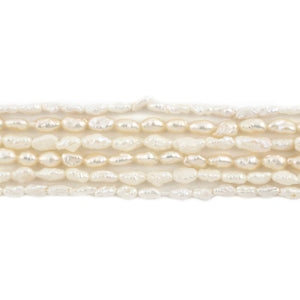
Pearl beads are pearls — lustrous organic gems (Mohs hardness about 2.5–4.5) formed inside oysters and mussels as nacre builds up in layers around an irritant. Most pearls today are cultured (farmed by deliberately introducing that nucleus), and freshwater pearls from mussels are the most common and affordable. Pearls are loved for their soft, glowing luster and come round, oval, or in irregular 'baroque' shapes.

Types of Pearl Beads

  • Freshwater pearls — the most common and affordable, in many shapes.
  • Akoya pearls — classic round white saltwater pearls.
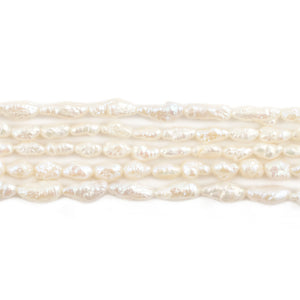
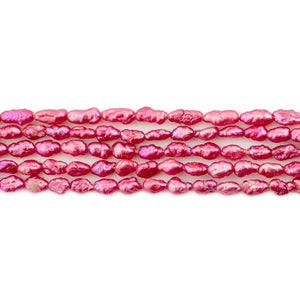
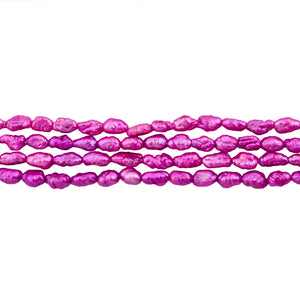
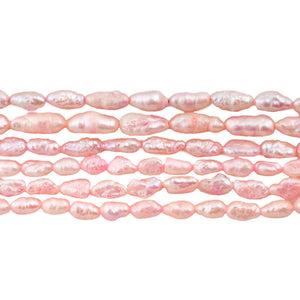
  • Baroque pearls — irregular, organic shapes.
  • Mother of pearl — the iridescent shell lining, cut into beads.
  • Tahitian and South Sea pearls — larger, in dark or golden tones (premium).

Pearl Beads meaning & symbolism

Pearl is a birthstone for June and is associated with purity, wisdom, and calm — long a symbol of elegance and a traditional gift for weddings and anniversaries.

History & cultural significance

Pearls have been treasured for millennia as among the most precious of gems, worn by royalty across the ancient world. The development of pearl culturing in early-1900s Japan made them widely available for the first time.

Where Pearl Beads come from

Most freshwater pearls today are cultured in China; Japan is known for Akoya pearls, and the South Pacific (Tahiti and Australia) for Tahitian and South Sea pearls.
Map highlighting China, Japan & the South Pacific
China, Japan & the South Pacific

How to identify Pearl Beads

  • Real pearls have subtle surface irregularities and a deep, layered luster; rubbed gently against the teeth they feel slightly gritty.
  • Imitation 'pearls' (glass or plastic) are perfectly uniform and feel smooth and warm.
  • Each real pearl varies slightly in shape and overtone.
  • Mother of pearl shows natural iridescence.

How they're used

  • Classic and bridal jewelry.
  • Bracelets, necklaces, and earrings.
  • June birthstone and anniversary gifts.
  • Jewelry-making and design.

Buying guide

Freshwater pearls are an affordable way to use real pearls — look for good luster, even nacre, and pleasing shape (round is classic; baroque for character). Decide between real pearls and mother-of-pearl beads, and check the hole size, since pearls are often drilled small. Buy by the strand.

Shop Pearl Beads

Shop all Pearl Beads →

Frequently asked questions

What are pearl beads?
Real or cultured pearls — lustrous organic gems formed inside mollusks — strung as beads.
Are pearl beads real?
Many are genuine cultured pearls (especially freshwater); others are imitation glass or plastic. Real pearls feel slightly gritty and vary subtly in shape.
What is mother of pearl?
The iridescent inner shell lining, cut into beads — related to pearls but from the shell itself.
What are baroque pearls?
Pearls with irregular, organic shapes rather than perfect rounds.
What are pearl beads used for?
Bridal, classic, and birthstone jewelry.

Related beads