Skip to content
Free Shipping on US Orders $99 and Above!
Free Shipping on US Orders $99+!

Country

Glass Beads

Glass Beads

Glass beads span the whole craft — from tiny seed beads and Czech pressed glass to Venetian millefiori, Ghanaian recycled powder glass, and antique trade beads.

Shop all Glass Beads
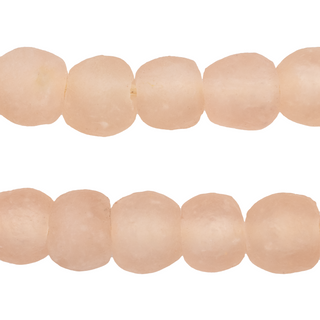
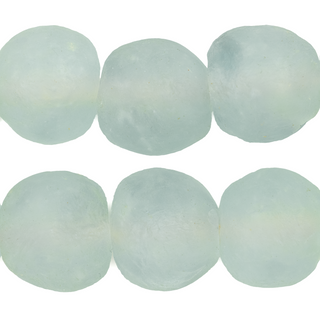
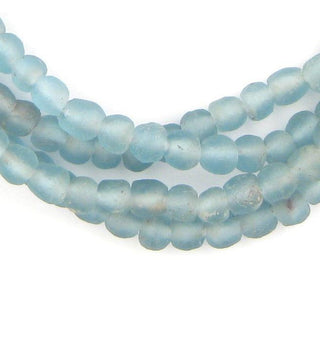
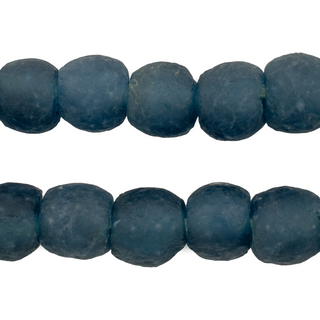
Glass is the most varied bead material of all. It includes the tiny seed beads that power bead weaving; Czech and Venetian pressed, fire-polished, and millefiori glass; the recycled 'powder glass' beads handmade in Ghana; the layered chevron and 'fancy' beads traded across Africa for centuries; and rare collectibles like uranium 'vaseline' glass and ancient Roman glass.

Glass beads are made by drawing, pressing, winding, fusing, or kiln-firing glass — each method giving its own look. This guide breaks the glass family down by type so you can find exactly the right bead, from a maker's staple to a collector's treasure.

Types of Glass Beads

Seed Beads
Seed BeadsSeed beads are tiny uniform glass beads — the essential building block of bead weaving, embr...
Recycled Glass Beads
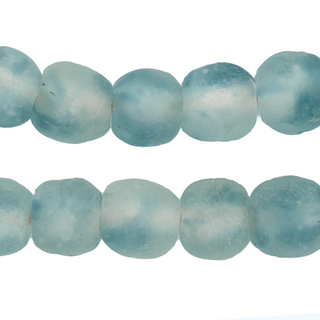
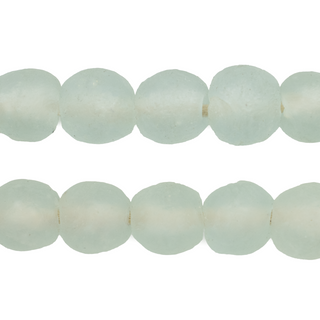
Recycled Glass BeadsRecycled glass beads are handmade in Ghana from crushed and powdered glass fired in molds — ...
Krobo Beads
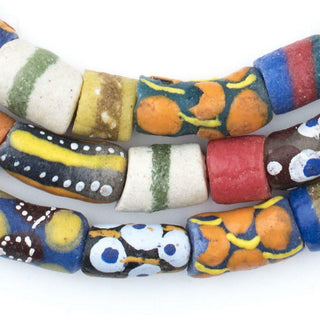
Krobo BeadsKrobo beads are handmade recycled-glass beads produced by the Krobo people of southeastern G...
Millefiori Beads
Millefiori BeadsMillefiori beads are glass beads decorated with intricate multicolored floral patterns made ...
Chevron Beads
Chevron BeadsChevron beads are layered glass trade beads with a distinctive star or zigzag pattern, first...
Czech Glass Beads
Czech Glass BeadsCzech glass beads are pressed and fire-polished glass beads from Bohemia — the world's great...
Roman Glass Beads
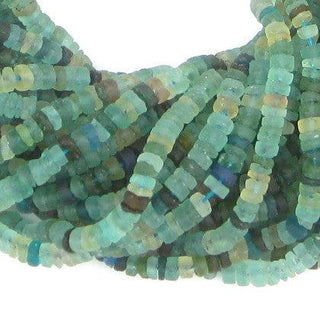
Roman Glass BeadsRoman glass beads are made from genuine ancient Roman glass — excavated fragments with a bea...
Sandcast Beads
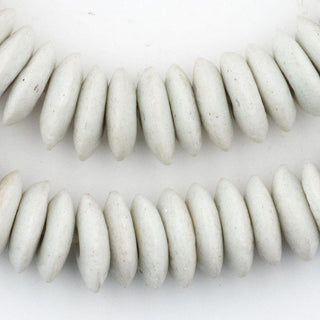
Sandcast BeadsSandcast beads are chunky recycled-glass beads made in Ghana by melting glass in sand molds ...
Fused Glass Beads
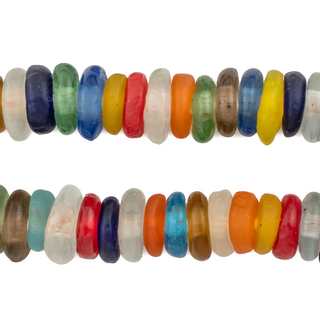
Fused Glass BeadsFused glass beads are made by melting pieces of glass together in a kiln — colorful, often a...
Hebron Beads
Hebron BeadsHebron beads are handmade glass beads from Hebron, Palestine — a centuries-old tradition of ...
Vaseline Beads
Vaseline BeadsVaseline beads are translucent yellow-green uranium glass beads that glow under UV light — v...
Fire-Polished Beads
Fire-Polished BeadsFire-polished beads are machine-cut, faceted glass beads from the Czech Republic that are br...
Crystal Beads
Crystal BeadsCrystal beads are precision-cut, high-clarity glass beads — typically leaded or high-quality...
White Hearts
White HeartsWhite hearts are antique and vintage glass trade beads made of a translucent colored glass (...
Lampwork Beads
Lampwork BeadsLampwork beads are glass beads formed one at a time by winding molten glass around a metal m...
Java Glass Beads
Java Glass BeadsJava glass beads are handmade beads from the island of Java, Indonesia, often produced from ...
Murano Beads
Murano BeadsMurano beads are handmade Venetian glass beads produced on the island of Murano near Venice,...
Evil Eye Beads
Evil Eye BeadsEvil eye beads, known as nazar, are glass amulet beads featuring a concentric blue-and-white...

History of Glass Beads

Glass beadmaking is thousands of years old, from ancient Egypt and Rome to the great later centers of Venice (Murano), Bohemia (the Czech Republic), and Japan. European glass beads — chevrons, millefiori, white hearts — were traded across Africa and the Americas for centuries, while African artisans developed their own recycled powder-glass tradition in Ghana. Today all these threads continue side by side.

Meaning & symbolism

Meaning in glass beads comes from their tradition and use: trade beads as historic currency and status, Ghanaian recycled glass in waist beads and rites of passage, and seed beads woven into the regalia and adornment of cultures worldwide.

How Glass Beads are used

  • Bead weaving, embroidery, and loom work (seed beads).
  • Jewelry making and stringing.
  • Trade-bead, tribal, and collector pieces.
  • Waist beads and African-style designs.
  • Statement and everyday jewelry.

How to identify authentic Glass Beads

  • Seed beads are tiny and uniform; pressed glass has crisp molded shapes; fire-polished glass is faceted and glossy.
  • Powder-glass (Krobo) beads are matte and slightly porous; sandcast beads are chunky and rustic.
  • Chevrons show layered star points; millefiori shows tiny floral cane patterns.
  • Roman glass has an ancient iridescent patina; vaseline glass glows under UV light.

Buying guide

Choose by purpose: seed beads for weaving, Czech pressed and fire-polished for shapes and sparkle, recycled glass and sandcast for an eco, handmade African look, and chevron, Roman, or vaseline glass for collectible trade beads. Buy seed beads by the tube or hank and feature beads by the strand or piece.

Shop Glass Beads

Shop all Glass Beads →
Frequently asked questions

What are the main types of glass beads?
Seed beads, Czech pressed and fire-polished glass, Venetian millefiori, recycled powder glass (Krobo), chevron and trade beads, plus Roman and vaseline glass.
Which glass beads are best for bead weaving?
Seed beads — especially uniform Japanese Miyuki/Toho and Delicas.
What are African trade beads?
European glass beads (chevrons, millefiori, white hearts) traded across Africa for centuries, now collected.
What are recycled glass beads?
Eco-friendly powder-glass beads handmade in Ghana, including Krobo beads.
Where are glass beads made?
Historically Venice, Bohemia (Czech), and Japan, plus Ghana's recycled-glass tradition and ancient Roman glass.