Skip to content
Free Shipping on US Orders $99 and Above!
Free Shipping on US Orders $99+!

Country

Amethyst Beads

Amethyst Beads

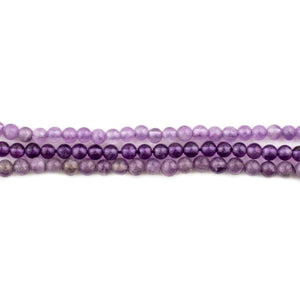
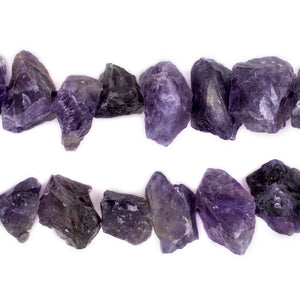
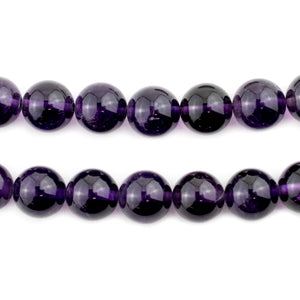
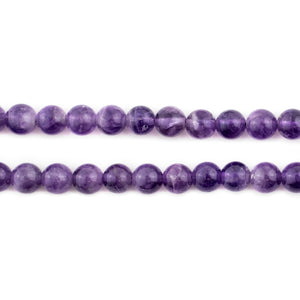
Amethyst beads are cut from amethyst, the purple variety of quartz — February's birthstone — long associated with calm, clarity, and protection.

MaterialQuartz (silicon dioxide)
OriginBrazil, Uruguay, Zambia
TechniqueCut & polished stone
Typical size4–10 mm common
EraNatural / contemporary
ColorsPale lilac to deep purple
Shop all Amethyst Beads

What are Amethyst Beads?

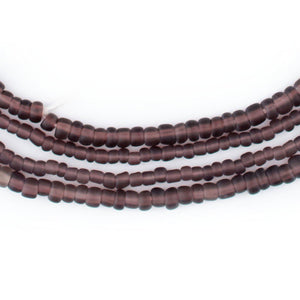
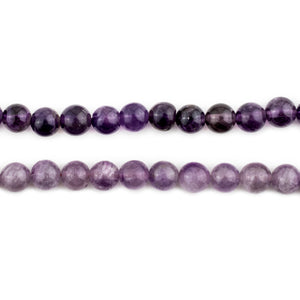
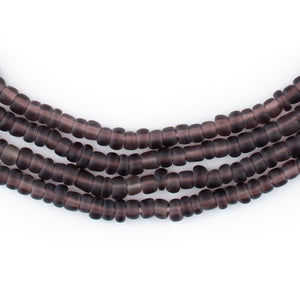
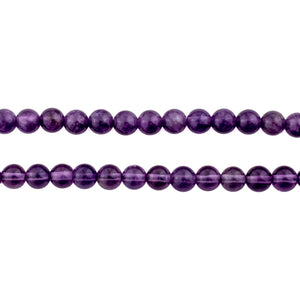
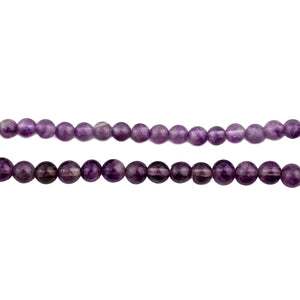
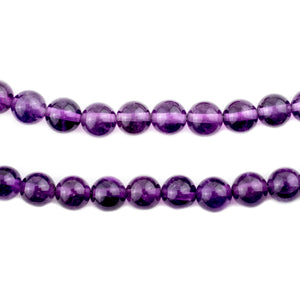
Amethyst beads are cut from amethyst, the purple member of the quartz family (Mohs hardness 7). Its color — from pale lilac to deep royal purple — comes from trace iron and natural irradiation. As a quartz it is hard, durable, and takes a high polish, which makes it one of the most popular stones for jewelry.

Types of Amethyst Beads

  • Light to deep purple — the deepest, evenly saturated ‘Siberian’ purple is the most prized.
  • Chevron amethyst — banded with white quartz in a V pattern.
  • Ametrine — a natural blend of amethyst and citrine in one stone.
  • Green amethyst (prasiolite) — heat-treated amethyst with a green color.

Amethyst Beads meaning & symbolism

Amethyst is associated with calm, clarity, balance, and protection, and has long been linked to a clear and sober mind. It is the birthstone for February.

History & cultural significance

The name comes from the Greek 'amethystos' (not intoxicated) — ancient Greeks believed it guarded against drunkenness. It was once as valued as ruby and emerald, until large Brazilian deposits made it more widely affordable.

Where Amethyst Beads come from

Most amethyst comes from Brazil and Uruguay, with Zambia producing a notably deep, richly colored purple.
Map highlighting Brazil, Uruguay & Zambia
Brazil, Uruguay & Zambia

How to identify Amethyst Beads

  • Natural amethyst usually shows subtle color zoning — lighter and deeper purple areas within a single bead.
  • Very cheap, intensely uniform purple can indicate dyed glass or synthetic quartz.
  • Genuine stone has the hardness of quartz and feels cool.
  • Heat treatment can lighten color or turn it green (prasiolite); good sellers disclose it.

How they're used

  • Bracelets and mala strands.
  • Necklaces, earrings, and pendants.
  • Calming and meditation jewelry.
  • Jewelry-making and design.

Buying guide

Amethyst is graded mainly by depth and evenness of color — deeper, richly saturated purple costs more. Watch for very cheap, glassy ‘amethyst’ that may be dyed or synthetic. Choose size (4–6mm for bracelets) and shape (round, faceted, chip), and buy from sellers who disclose any treatment.

Shop Amethyst Beads

Shop all Amethyst Beads →

Frequently asked questions

What are amethyst beads?
Beads cut from amethyst, the purple variety of quartz, associated with calm and clarity.
Is amethyst a real gemstone?
Yes — natural purple quartz; some cheap beads are dyed or synthetic, so buy from reputable sellers.
What does amethyst mean?
Calm, clarity, balance, and protection; it's also February's birthstone.
What is green amethyst?
Heat-treated amethyst, also called prasiolite, with a green color.
What are amethyst beads used for?
Bracelets, necklaces, and calming intention jewelry.

Related beads