Skip to content
Free Shipping on US Orders $99 and Above!
Free Shipping on US Orders $99+!

Country

African Beads

African Beads

African beads span glass, brass, bone, and stone traditions from across the continent — from Ghana's handmade recycled-glass beads to antique trade beads carried along centuries-old routes.

Shop all African Beads
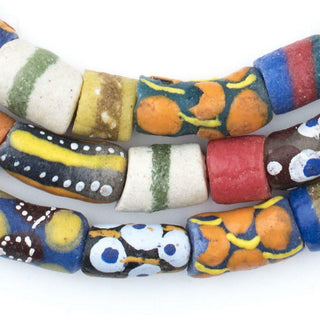
“African beads” covers an enormous range of traditions. Across West Africa, artisans grind recycled glass into powder and fire it into colorful beads; brass is cast using the lost-wax method; bone and horn are carved and polished; and for centuries, European glass “trade beads” have circulated through African markets and become part of the continent's own bead culture.

Beads carry deep meaning in many African societies — marking status, milestones, and identity, and worn in ceremonies such as coming-of-age rites. This guide breaks African beads down by type and origin so you can explore the tradition and find the beads that speak to you.

Types of African Beads

Krobo Beads
Krobo BeadsKrobo beads are handmade recycled-glass beads produced by the Krobo people of southeastern G...
African Waist Beads
African Waist BeadsAfrican waist beads are strands of small glass beads worn around the waist — a West African ...
Recycled Glass Beads
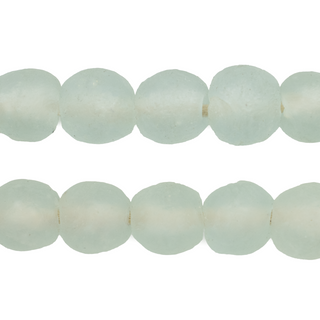
Recycled Glass BeadsRecycled glass beads are handmade in Ghana from crushed and powdered glass fired in molds — ...
Sandcast Beads
Sandcast BeadsSandcast beads are chunky recycled-glass beads made in Ghana by melting glass in sand molds ...
Ashanti Beads
Ashanti BeadsAshanti beads are lost-wax cast brass beads and pendants made by the Asante (Ashanti) people...
Brass Beads
Brass BeadsBrass beads are made from brass, a warm gold-toned copper-zinc alloy — a staple of African a...
Nigerian Beads
Nigerian BeadsNigerian beads most famously include the handmade recycled glass beads of Bida, where Nupe a...
Yoruba Beads
Yoruba BeadsYoruba beads are the glass and red coral beads of the Yoruba people of Nigeria, central to r...
Mali Wedding Beads
Mali Wedding BeadsMali wedding beads are vintage Bohemian (Czech) moulded glass trade beads that were exported...
Fulani Beads
Fulani BeadsFulani beads are brass beads and discs made by the Fulani (Fula) people of West Africa, famo...
African Clay Beads
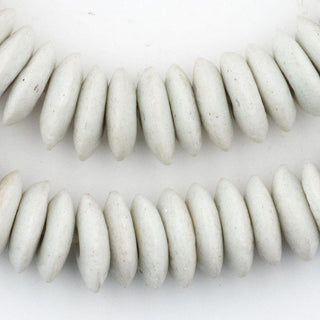
African Clay BeadsAfrican clay beads are hand-shaped from local clay and fired into hard, earthy terracotta be...
Maasai Beads
Maasai BeadsMaasai beads are the tiny glass seed beads used in the vibrant beadwork of the Maasai people...
Kenyan Bone Beads
Kenyan Bone BeadsKenyan bone beads are hand-carved beads made from cow bone, often batik-dyed with earthy pat...
Ethiopian Metal Beads
Ethiopian Metal BeadsEthiopian metal beads are traditional silver and white-metal beads from Ethiopia, including ...
Berber Beads
Berber BeadsBerber beads are the traditional adornment beads of the Amazigh (Berber) peoples of North Af...
Moroccan Beads
Moroccan BeadsMoroccan beads are a vibrant family of handmade beads from the souks and craft workshops of ...

History of African Beads

African Beads
Africa has one of the world's oldest and richest bead traditions — ostrich-eggshell beads from southern Africa are among the earliest human ornaments ever found. Over millennia, distinct regional crafts emerged: lost-wax brass casting in West Africa, powder-glass beadmaking in Ghana, and carved bone and horn across the continent.

From the 15th century onward, European glass “trade beads” — especially from Venice — poured into African markets along established trade routes. These beads were absorbed into local dress and ceremony and became “African” in their own right, which is why antique African trade beads are so collectible today.

Meaning & symbolism

In many African cultures, beads carry meaning far beyond decoration. They can signal age, marital status, wealth, and social rank, and they play a central role in rites of passage. In the widespread tradition of waist beads, color often carries symbolism — associated with qualities such as fertility, protection, prosperity, and femininity. Beads are given as gifts, worn for celebrations, and passed down through families as heirlooms.

How African Beads are used

  • Waist beads — worn around the waist for adornment, celebration, and personal meaning.
  • Necklaces, bracelets, and anklets in both traditional and modern designs.
  • Hair beads and adornments.
  • Ceremonial and coming-of-age regalia.
  • Prayer and wedding jewelry.
  • Jewelry-making and home décor worldwide.

How to identify authentic African Beads

  • Handmade African beads show natural variation — slight differences in size, shape, and finish from bead to bead.
  • Powder-glass beads (such as Ghanaian Krobo beads) have a characteristic matte, slightly porous surface.
  • Genuine antique trade beads show real wear, patina, and age-appropriate irregularity.
  • Hand-cast brass beads carry small casting marks; bone and horn show natural grain.
  • Be cautious of perfectly uniform, glossy beads sold as “African” — these are often mass-produced imitations.

Buying guide

When buying African beads, first decide between contemporary handmade beads — such as Ghanaian recycled-glass beads — and antique trade beads, which are collected for their history and vary widely in value. Buy by the strand for jewelry-making, and look for fair-trade sourcing to support the artisan communities who make them. For waist beads, consider the cord type and length you need, and whether you want a tie-on or clasp style.

Shop African Beads

Shop all African Beads →

Frequently asked questions

What are African beads made of?
Many materials — recycled glass (as in Ghanaian powder-glass beads), brass and other metals, bone and horn, stone, and imported “trade” glass that became part of African bead culture.
What do African waist beads mean?
Waist beads are worn around the waist for adornment and personal meaning. Different colors are associated with qualities such as fertility, protection, and prosperity, and they're often worn for celebration and rites of passage.
What are African trade beads?
Glass beads, often made in Europe (especially Venice), that were traded across Africa for centuries and are now collected and worn as part of African tradition.
How can you tell if African beads are authentic?
Handmade African beads show natural variation in size and finish, powder-glass beads have a matte surface, and genuine antique trade beads show real wear and patina — unlike perfectly uniform mass-produced imitations.
What are African beads used for?
Jewelry, waist beads, hair adornment, and ceremonial and coming-of-age regalia, as well as modern jewelry-making and décor.
Where do African beads come from?
From across the continent — Ghana, Nigeria, Mali, Kenya, Ethiopia, Morocco and beyond — each with distinct materials and styles.